Modular Composite Armor Systems
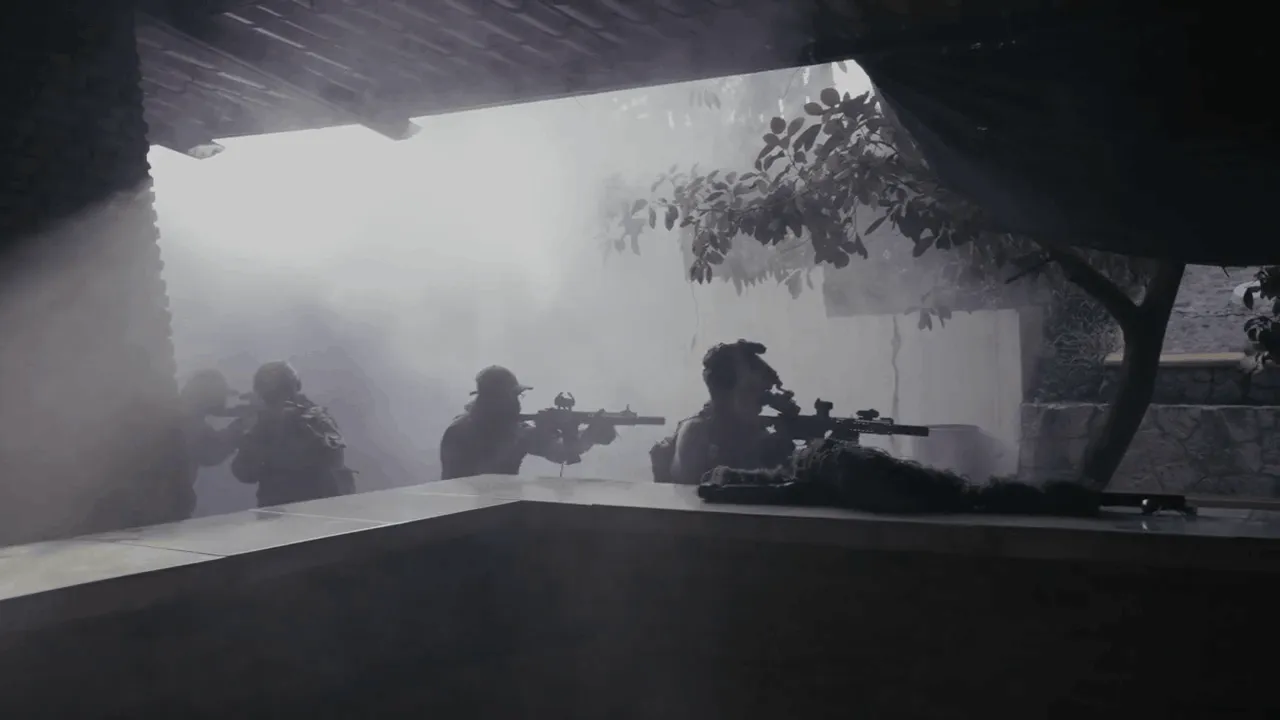
ASTRIVA designs and delivers modular stand‑alone composite armor systems intended for the protection of military vehicles and specialized protected platforms. These systems provide the required ballistic resistance without the need for a base armored steel structure, enabling a significant reduction in overall vehicle weight and simplifying the integration process.
The solutions comply with the requirements of STANAG 4569 for ballistic and fragmentation protection at levels I to VI, depending on system configuration and applied material architecture.
Modern Lightweight Armor Systems
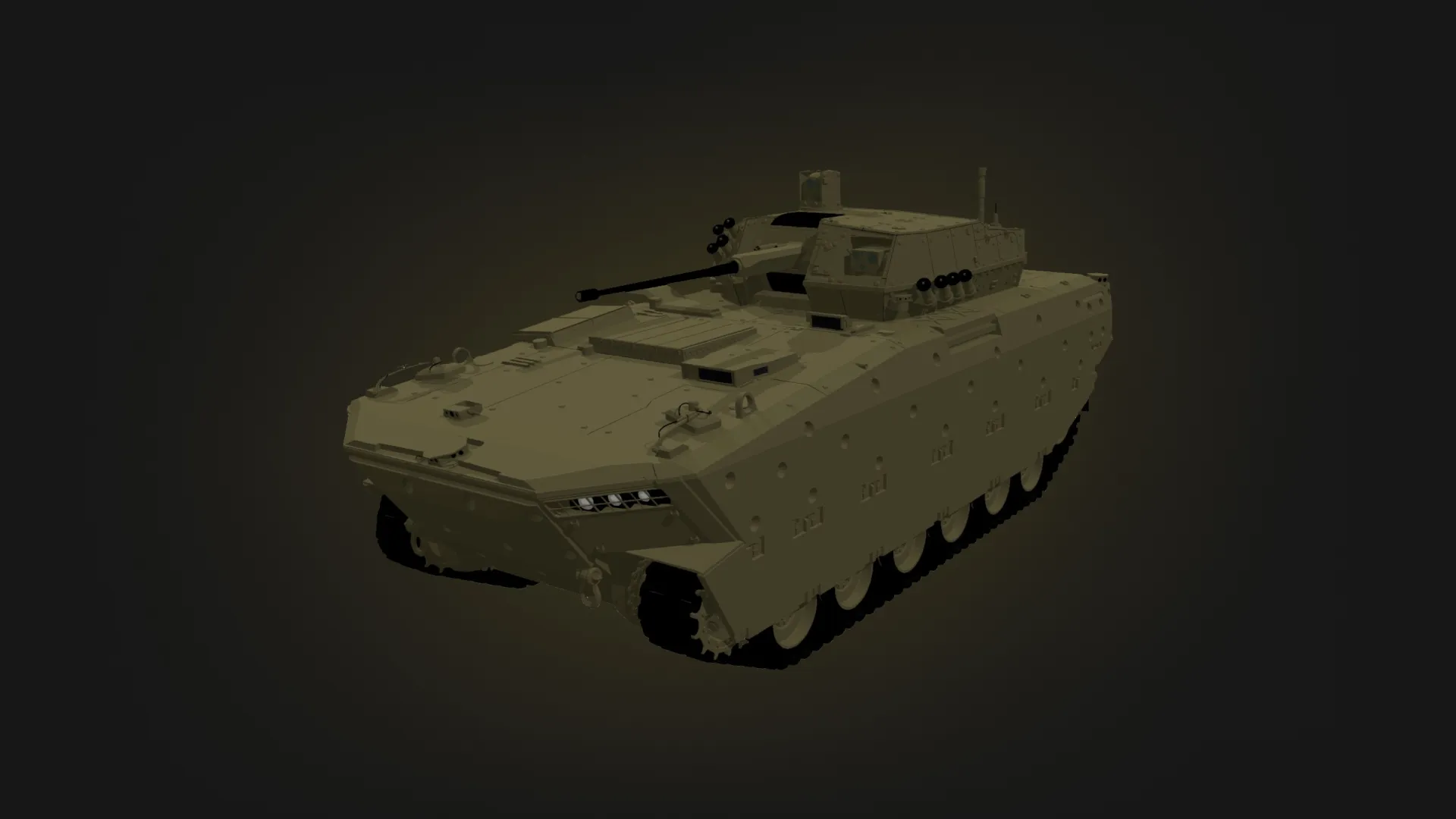
Modern armor systems utilize self‑supporting multilayer structures based on composites and ceramics, eliminating heavy steel backing plates. The use of advanced polymer materials allows for a significant reduction in weight, increased ballistic resistance, and improved vehicle mobility.
Armor Design and Architecture
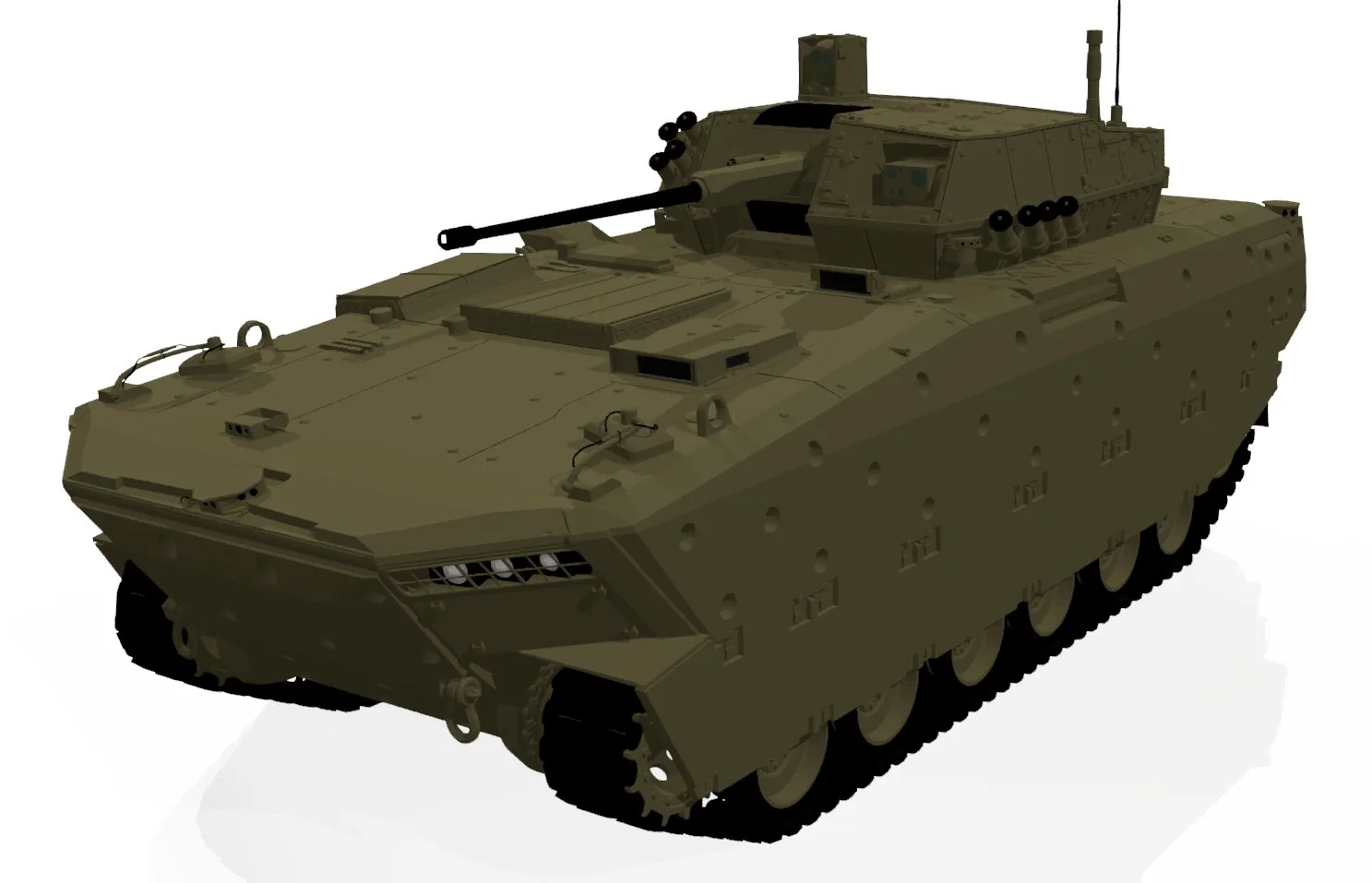
Armor structures are developed as self‑supporting multilayer systems, where all protective functions are provided by a precisely engineered sequence of composite and ceramic materials. The elimination of a steel backing plate reduces overall weight, limits secondary fragmentation on the protected side, and increases flexibility in shaping armor geometry to meet the specific requirements of a given vehicle platform.
Composites and Performance
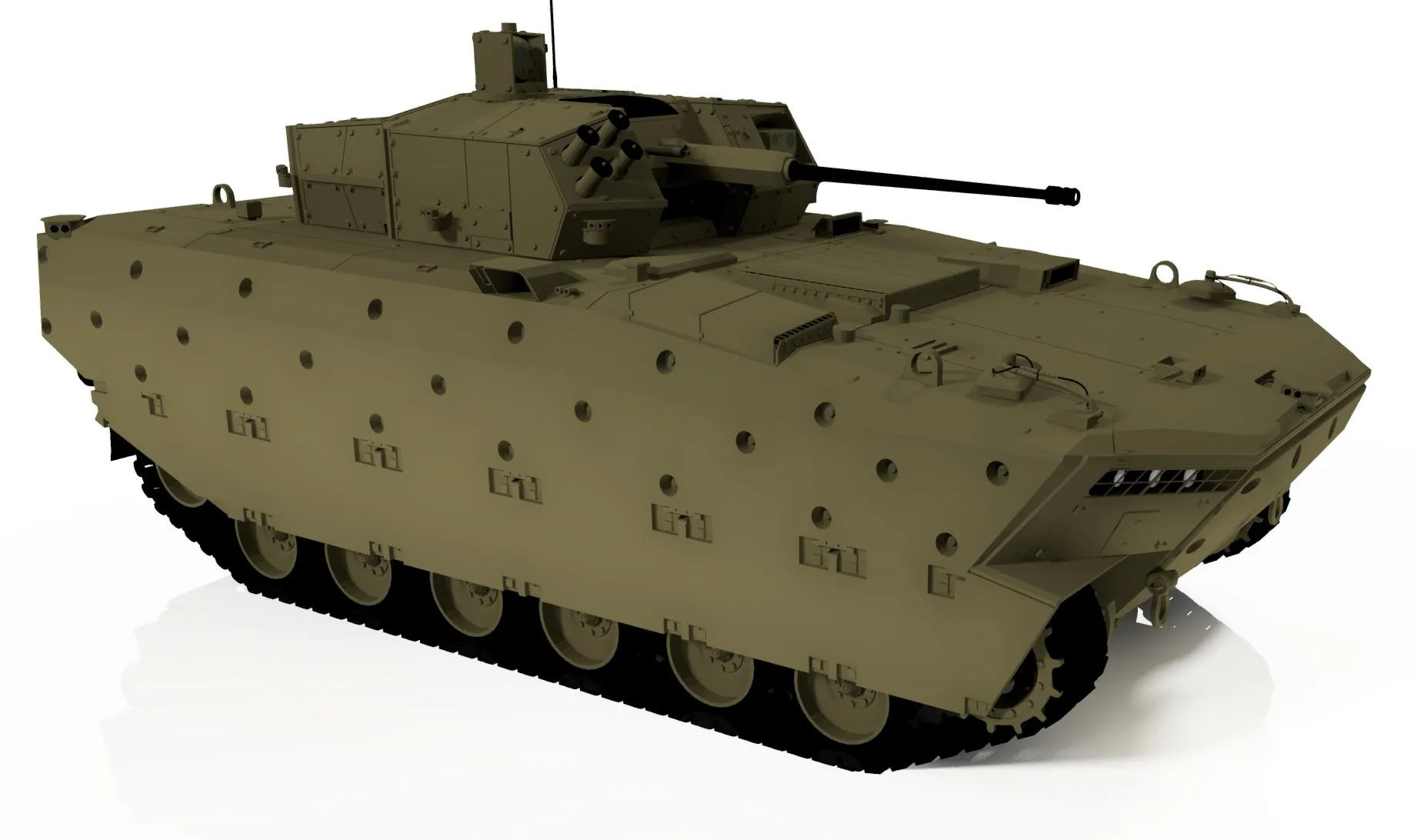
Polymer composite layers, including aramids and ultra‑high‑molecular‑weight polyethylene (UHMWPE), are responsible for absorbing kinetic energy, stopping fragments, and transferring dynamic loads within the structure. The application of these materials enables high ballistic resistance at low density, which is critical for maintaining vehicle mobility.
Synergy of Ceramics and Lightweight Alloys in Stand‑Alone Systems
Ceramic elements made of alumina, silicon carbide, and boron carbide serve as the first line of protection by blunting and fracturing hard projectile cores, effectively reducing their penetration capability. In stand‑alone solutions, ceramics directly cooperate with composite layers, absorbing the initial impact phase without the need for steel backing. Lightweight metal alloys are used locally as structural, integration, and mounting components, increasing system stiffness and resistance to operational loads without serving as the primary ballistic layer. This approach ensures high structural integrity while minimizing overall weight.

3D Printing and Modularity of Protection Systems
Additive manufacturing technologies, including 3D printing, are used to produce spacing structures, energy absorbers, and adaptive components that enable precise fitting of armor to vehicle geometry. The use of 3D printing allows multiple functions to be integrated into a single component and enables rapid design modifications in response to evolving operational requirements. The modular architecture of protection systems allows scalable protection levels through appropriate material configuration and enables quick installation and removal of modules, both during vehicle production and in the modernization of existing platforms.
Systemy stand‑alone i projektowanie ASTRIVA
ASTRIVA stand‑alone systems enable an increase in protection level without interference with the vehicle’s load‑bearing structure and without the need for traditional armored steel solutions. Armor design at ASTRIVA is based on numerical simulations of high‑strain‑rate phenomena, analysis of projectile interaction with multilayer self‑supporting structures, and material and ballistic testing conducted in accordance with STANAG 4569 requirements. This approach allows precise tailoring of the protection system to specific threats, mass constraints, and vehicle geometry, ensuring high effectiveness and reliability under operational conditions.

Choose proven ballistic protection.
Our products are created by specialists with many years of experience in the fields of ballistics, biomechanics, and materials engineering. Every product is tested by independent experts in both laboratory conditions and in a real-world environment before it goes on sale.